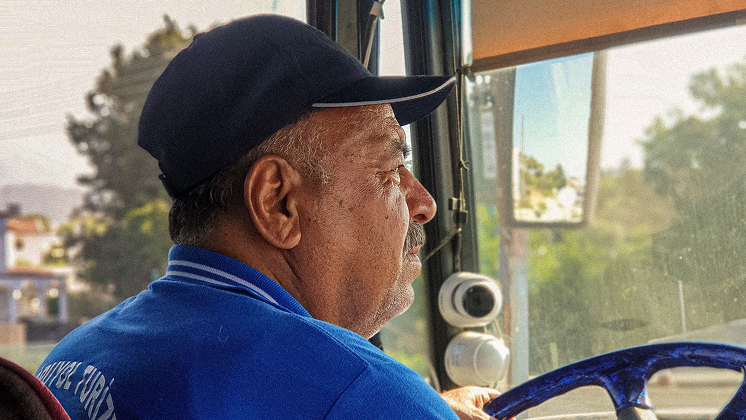

Your drivers are on the road. Your comms need to reach them anyway.

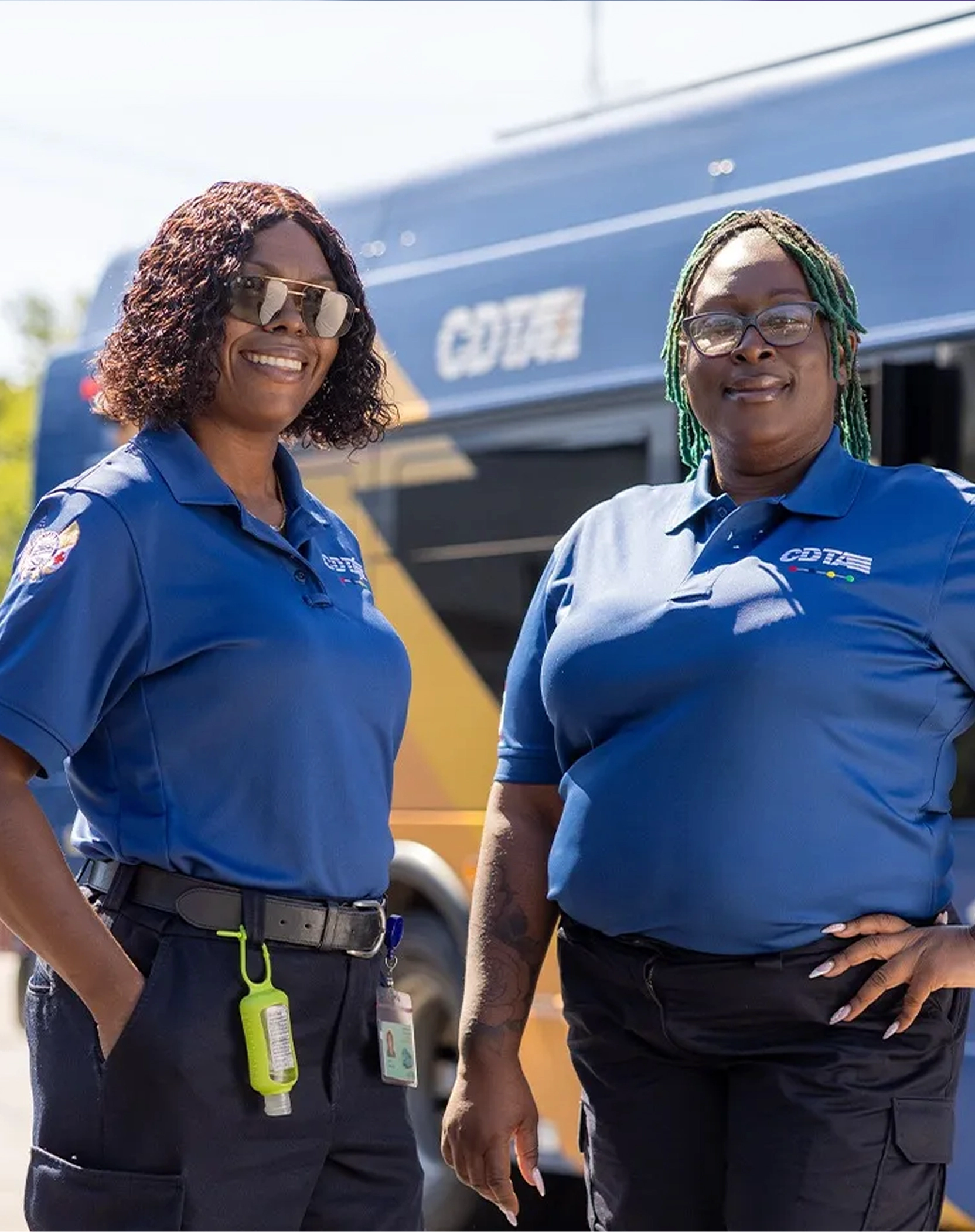
Blink gives every transit worker one place to find schedule changes, safety alerts, training, and recognition - cutting through radio silence and helping operators feel connected, even alone in the cab.
Smiling male bus driver wearing glasses and a black jacket holding the steering wheel inside the bus.
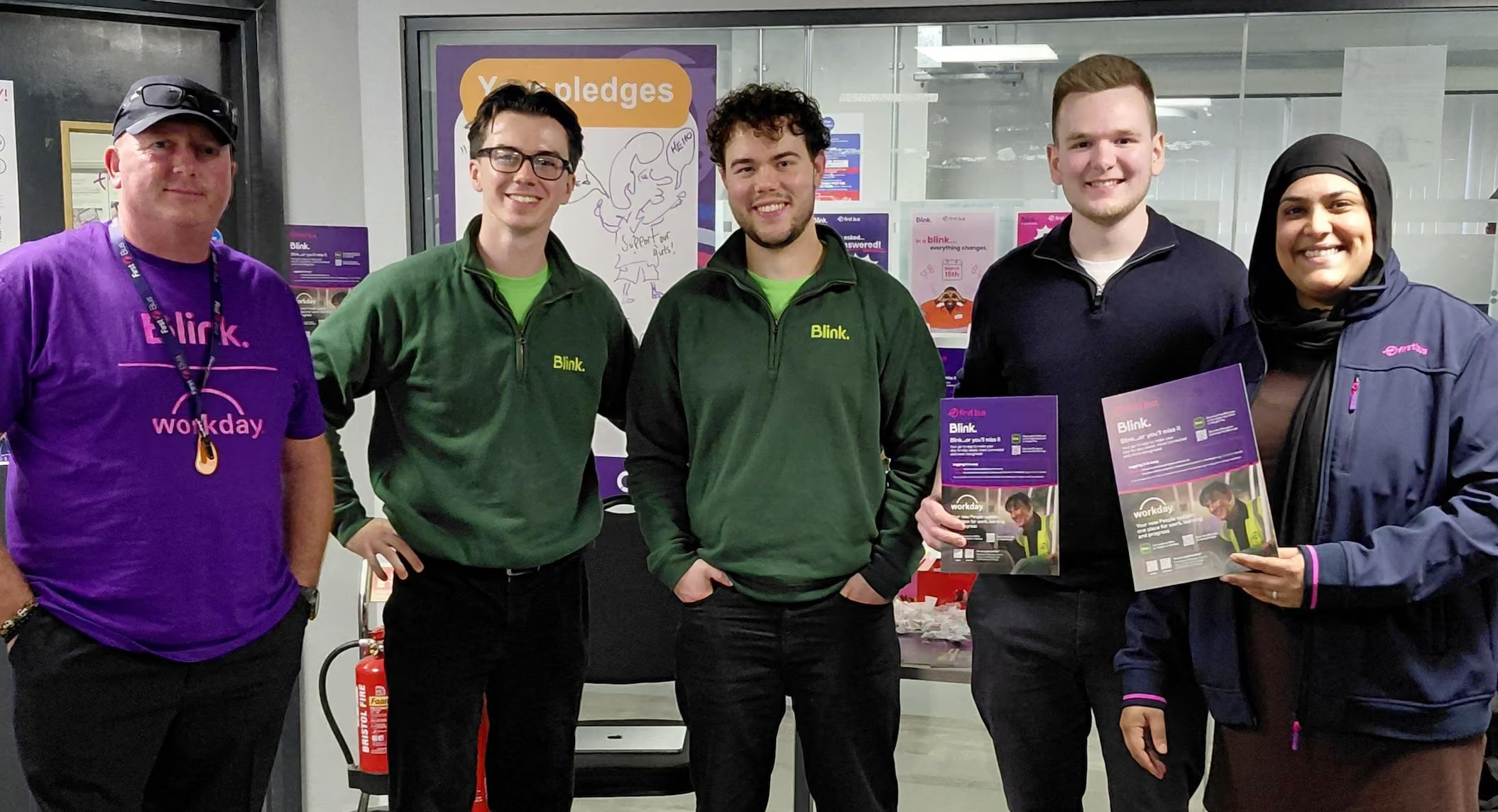
"Blink has completely revolutionized how we work with our frontline colleagues. By enabling us to communicate freely and efficiently, it’s broken down the barrier between management and the frontline, creating a vibrant and open culture that encourages us all to do our best work. We couldn’t imagine a world without Blink."
Worker in orange safety pants seated at a desk with two computer monitors in an office with calendar and storage bins.

The schedule changed. Did every driver get the word?

Sending the update is half the job. Every route change, safety alert, and policy update depends on operators knowing what's changed - across every depot, shift, and route.

‍

When the update doesn't reach the driver before the shift, dispatch chases it down during the shift.

‍

Blink closes the gap between sent and landed, the disconnect covered in Off the bus, out of the loop - giving every operator one place to find relevant updates, tools, and training that matter.

Your rider experience is only as good as your driver experience

‍

Blink unlocks the potential of your dispatchers by giving every operator one place to find what matters via a single transit employee app - targeted to who they are, where they work, and what they need to do next.
A one stop shop for every transit team member

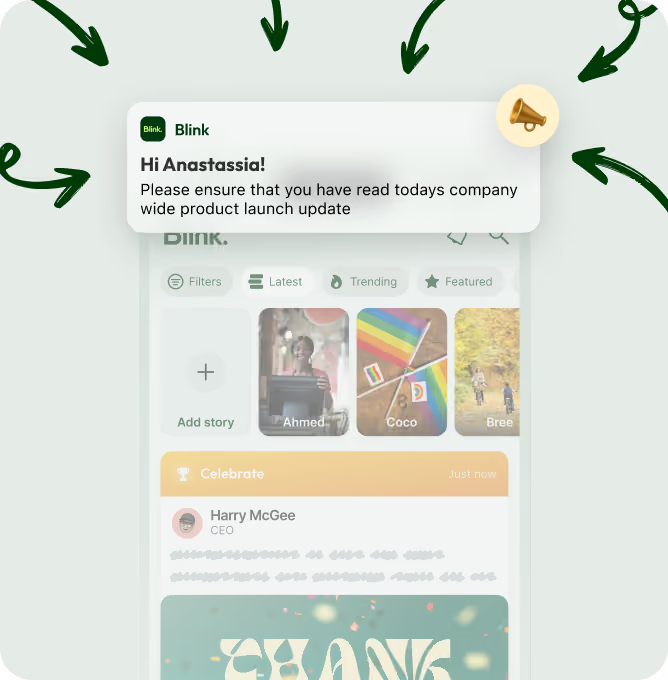
Blink brings frontline communications, everyday tools, training, recognition, and operational updates into one employee experience - so every operator knows where to go, what matters, and what to do next. No corporate email required. That's why transit agencies rely on Blink to reach drivers who rarely sit at a desk.

Two young women, one showing something on a smartphone to the other, overlaid with text boxes labeled Employee Onboarding, Message manager, Send welcome message, and Share policy with an arrow pointing upward.

Onboarding

Transit onboarding shouldn't rely on a supervisor's memory or a binder in the depot break room. Blink gives new operators one place to find welcome content, safety training, route basics, and policies before they ever climb into the cab, so day one feels organized instead of improvised. That early connection is a big part of why driver retention improves once new operators aren't left to figure things out alone.
Target by role, depot, route, or region

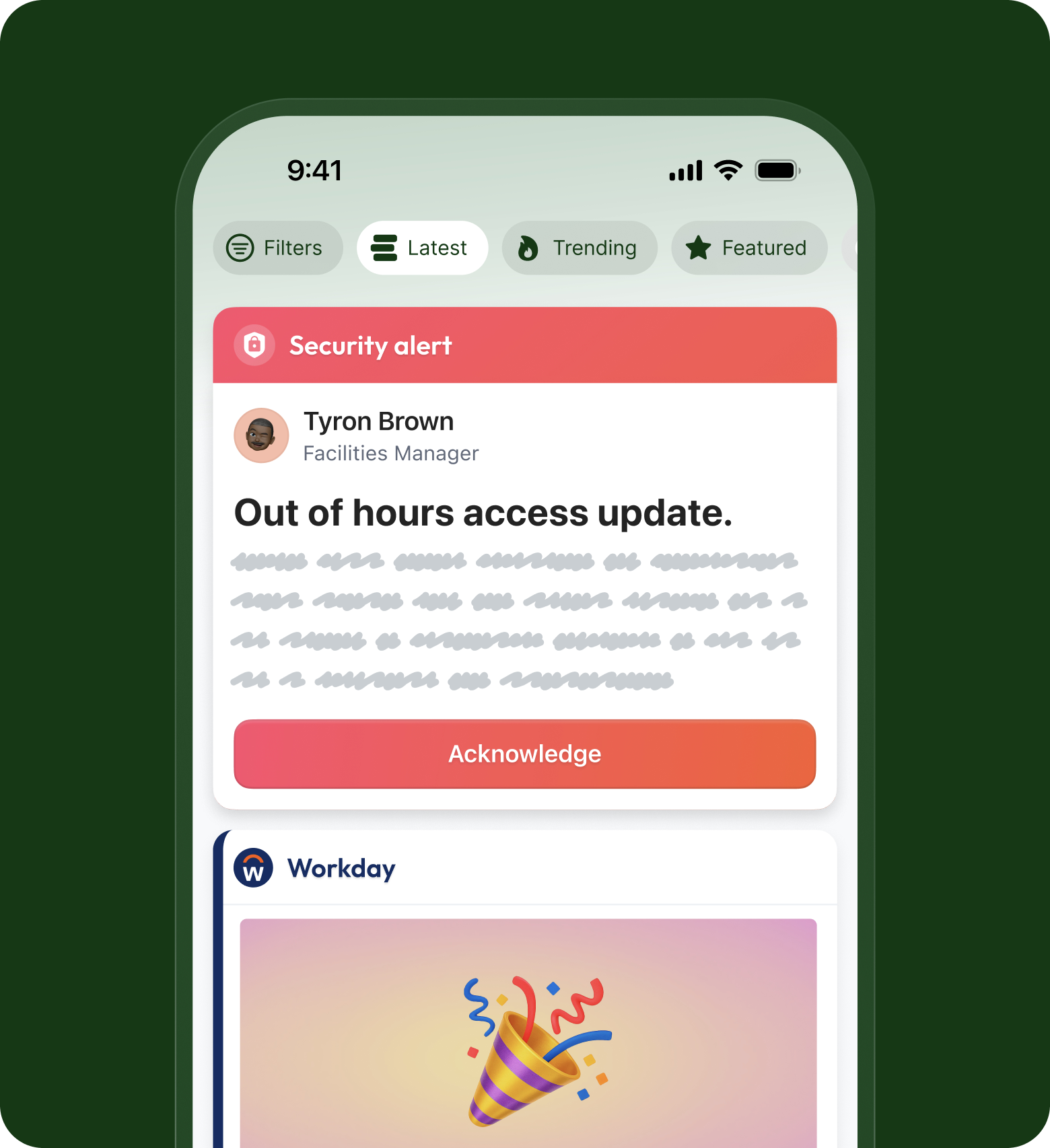
Blasting every update to every operator trains people to stop reading. A rail alert doesn't belong in a bus driver's feed, and a depot-wide notice about one region doesn't belong on the other side of the network. Blink lets you target by depot, route, region, role, agency, brand, or shift, so every operator only sees what applies to them, nothing else, and never misses what matters.
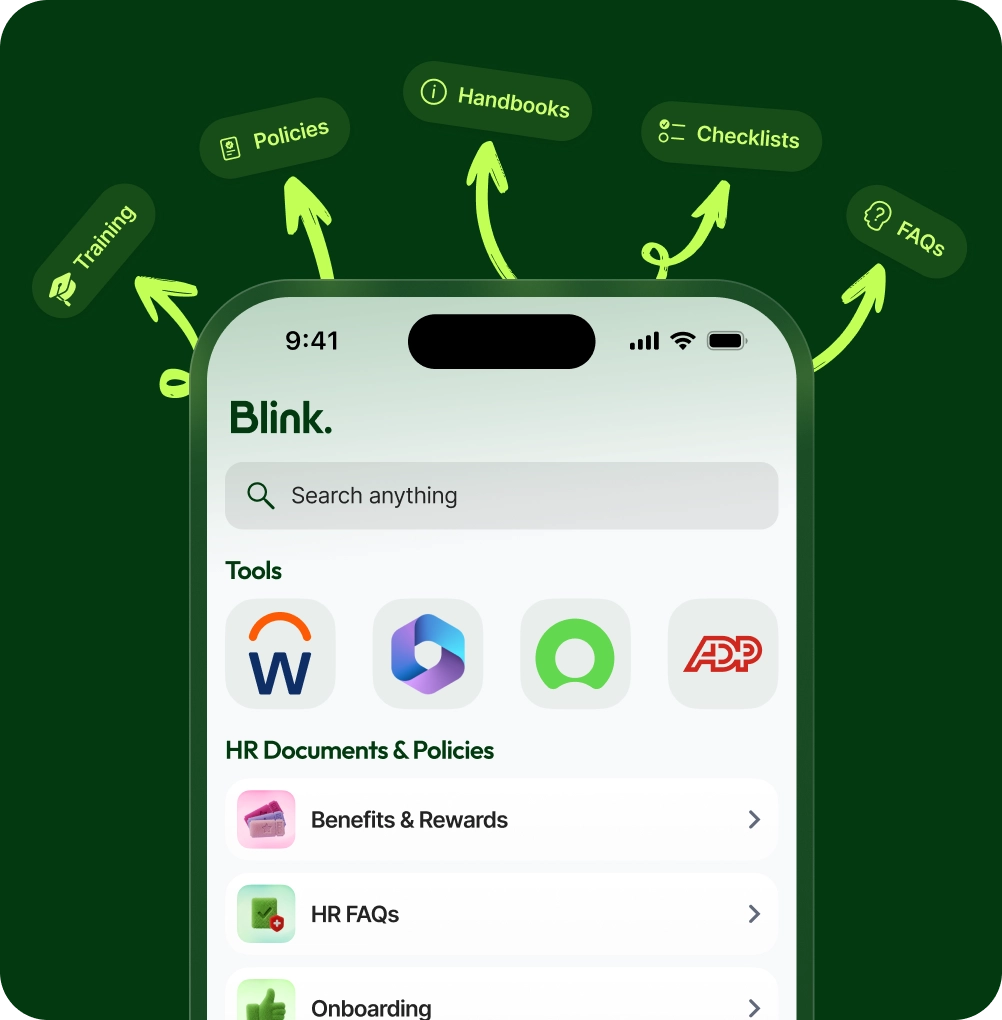
Mobile screen displaying Blink app with search bar, tools icons, and HR Documents & Policies list including Benefits & Rewards, HR FAQs, and Onboarding, surrounded by arrows pointing to handbooks, policies, checklists, FAQs, and training labels.

Connect everyday tools

Transit teams don't have time to hunt across HR portals, scheduling systems, and safety reporting tools between routes. Blink acts as the front door to the tools operators already use, reducing confusion, extra logins, and the scrap paper processes that fill the gaps.

More resources for transit teams

No items found.
No items found.
No items found.
No items found.
No items found.
Sort

Frequently asked questions

We already have a scheduling or dispatch system. Why do we need Blink?

Your scheduling system tells operators where to be. Blink makes sure they actually get the message, along with safety alerts, training, and recognition, in one place built for people who are rarely at a desk.

Will drivers actually use another app?

Yes. Blink sees 91% adoption company-wide across frontline organizations, because it replaces the scattered texts, radio calls, and bulletin boards operators already have to check, rather than adding another one.

How do we avoid creating another noisy channel drivers ignore?

Targeting is built in. Operators only get updates relevant to their depot, route, and role, so Blink stays useful instead of becoming background noise they learn to skip.

Can Blink support a large, multi-depot or multi-agency structure?

Yes. Blink is built to handle complex, distributed organizations, targeting content by depot, route, region, or agency so every operator gets what applies to them and nothing else.

What app do the UK's biggest transit operators use to reach drivers?

Blink!