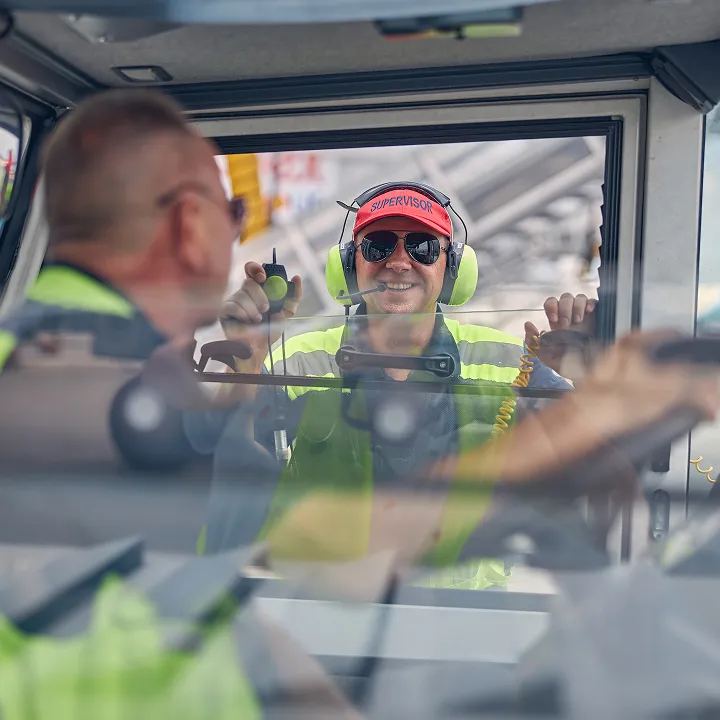


The schedule's set. But did it reach every shift in time?
Sending the update is half the job. Every schedule change, safety notice, and policy update depends on teams knowing what's changed - across every depot, warehouse, route, and shift.
When the update doesn't land before the shift, dispatchers end up chasing it down during the shift.
Blink closes the gap between sent and landed - giving every team member one place to find relevant updates, tools, and training that matter, from simple warehouse engagement ideas that actually stick to safety alerts and recognition.
Your delivery performance is only as good as your workforce experience
Blink unlocks the potential of your supervisors by giving every driver and warehouse associate one place to find what matters via a single logistics employee app - targeted to who they are, where they work, and what they need to do next.

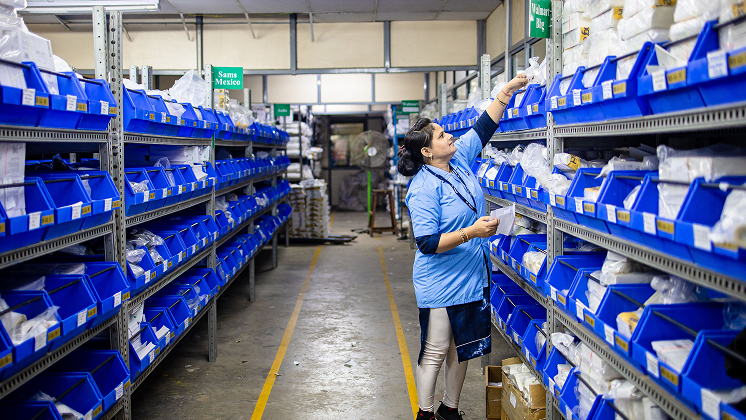
A one stop shop for every warehouse and depot worker
Blink brings frontline communications, everyday tools, training, recognition, and operational updates into one employee experience - so every team member knows where to go, what matters, and what to do next. No corporate email required. That's why logistics operators trust Blink to keep frontline teams connected.

Onboarding
Getting a new driver or warehouse associate up to speed shouldn't depend on a supervisor's memory, a printed handout, or whoever happens to be on shift that day. Blink puts onboarding in one app, so every new hire gets the same clear start from day one, no matter which depot, route, or shift pattern they walk into - a strong first two weeks is one of the biggest levers for cutting warehouse turnover.
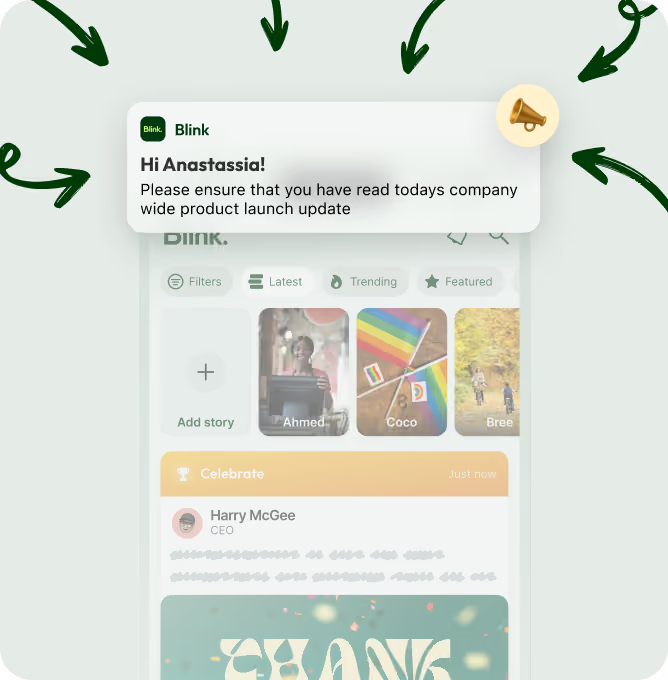
Target by role, depot, market, or fleet
Blasting every update to every worker trains people to ignore all of it. A safety recall in one depot doesn't belong in every driver's feed, and a route change in one region has nothing to do with a warehouse three states away. Blink lets you target updates by market, region, depot, fleet, role, or shift, so the right people get the right message at the right time, and nothing else clutters their feed.
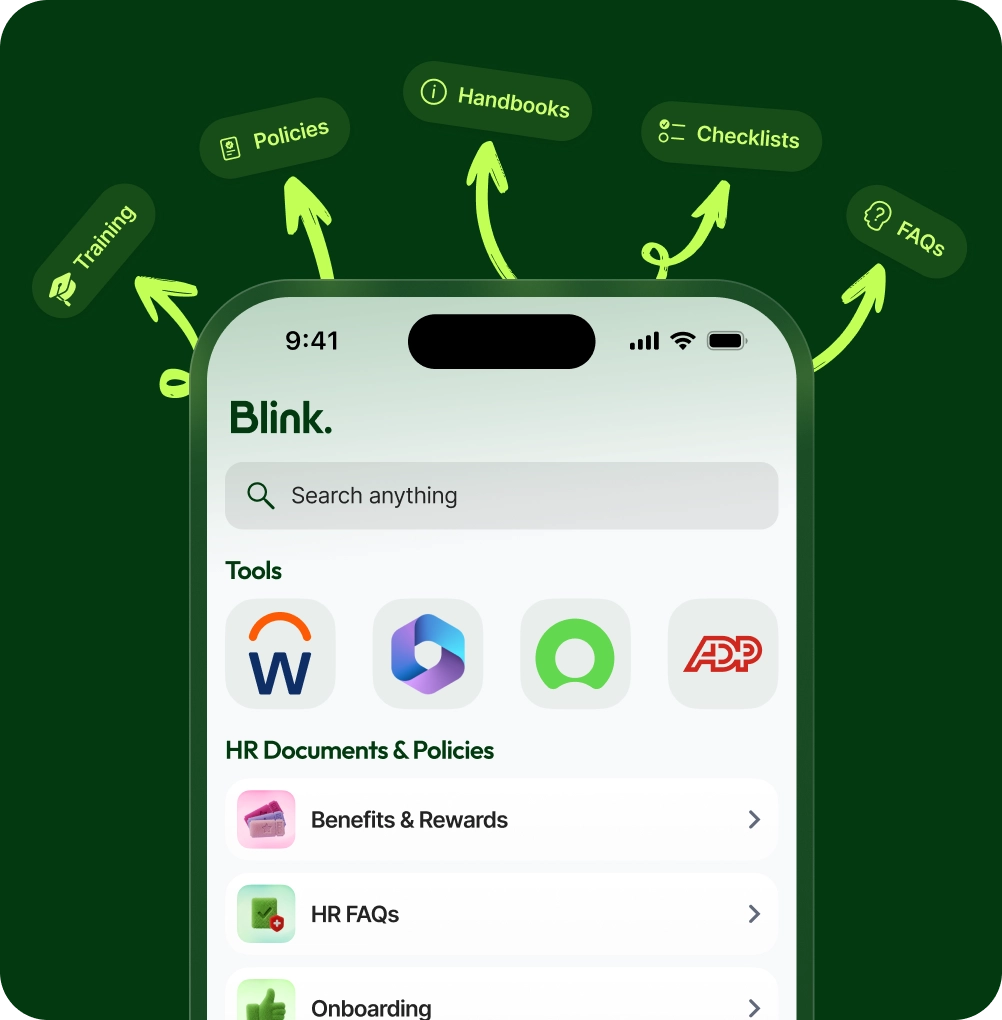
Connect everyday tools
Warehouse and driver teams don't have time to hunt across systems between stops or shifts. Blink acts as the front door to the tools they already rely on, so nobody's digging for the right link on a shared tablet or waiting on a supervisor to send it over, and delays drop as a result.
Continue exploring more Workday + Blink


Frequently asked questions
Your TMS and WMS run operations. Blink runs communication. It sits alongside your existing systems as the one place every driver and warehouse worker goes for updates, training, and recognition, without adding another login to operational software. For a closer look at what to weigh when comparing options, see What to actually look for in a warehouse communication app.
Yes. Blink is built for the frontline first, and it shows: 91% adoption across our customer base company-wide, because it works the way frontline teams already do, on a phone, in the moment, without a company email required.
Targeting is built in from the start. Updates go to the depot, route, shift, or role they're relevant to, not to everyone at once, so Blink stays useful instead of becoming one more feed people learn to ignore.
Yes. Blink is built for exactly this kind of complexity, letting you manage multiple depots, markets, and fleets from one platform while still giving every location its own targeted, relevant content.
Blink.