

Employee retention software that gives people a reason to stay


Turnover is decided in the first 90 days
A new starter's first few shifts often decide everything. Did their manager know their name? Did anyone tell them where to find the schedule? Did they hear about the team night out, or find out afterwards?
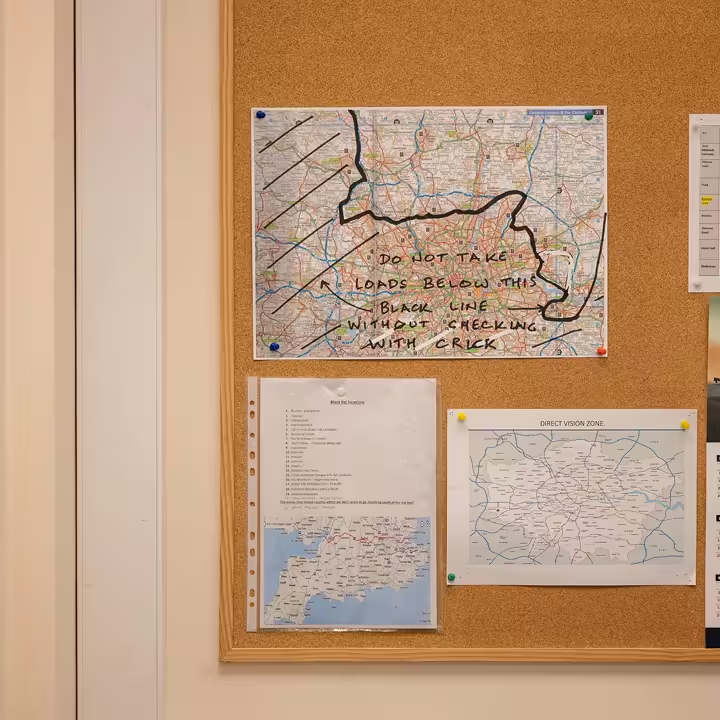
Many frontline teams still rely on notice boards, group chats, and emails that never reach people without a company inbox. HR tools built for desk-based staff often fall short because frontline workers rarely log in. Updates get missed, good work goes unnoticed, and new starters end up feeling like outsiders.
The cost shows up quickly. A new hire who feels invisible in their first week often starts looking elsewhere, and when they leave, the cycle starts again with another job ad, another round of interviews, and another manager stretched thin covering shifts. Without a way to reach frontline teams, even the best employee retention strategy never makes it past head office.

Employee retention software built for frontline and deskless teams
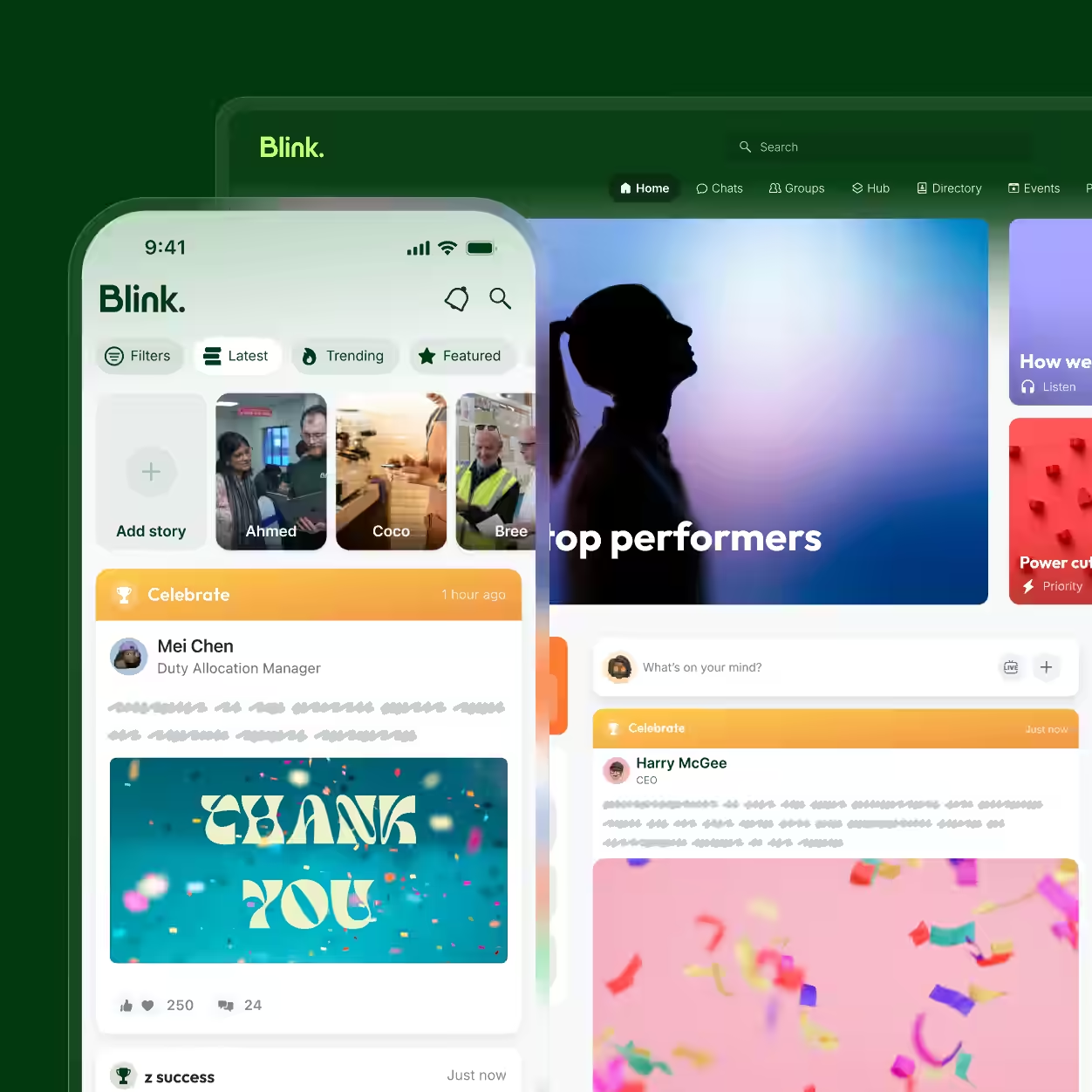
Blink brings communication, recognition, employee journeys, surveys, communities, and workplace tools into one mobile-first app. Employees stay connected, while managers have the tools they need to roll out effective employee retention strategies within their teams.
End-to-end employee retention solutions
Blink supports every stage of the employee lifecycle. Journeys start before day one with pre-boarding and carry through to offboarding, while recognition, surveys, and communities keep people engaged in between. Employees don’t need a company email to get started, because they can join on their own phone with a QR code or magic link. Everything sits in one app, so HR can see the whole picture and reduce employee turnover across every site.
Recognition that reaches frontline staff
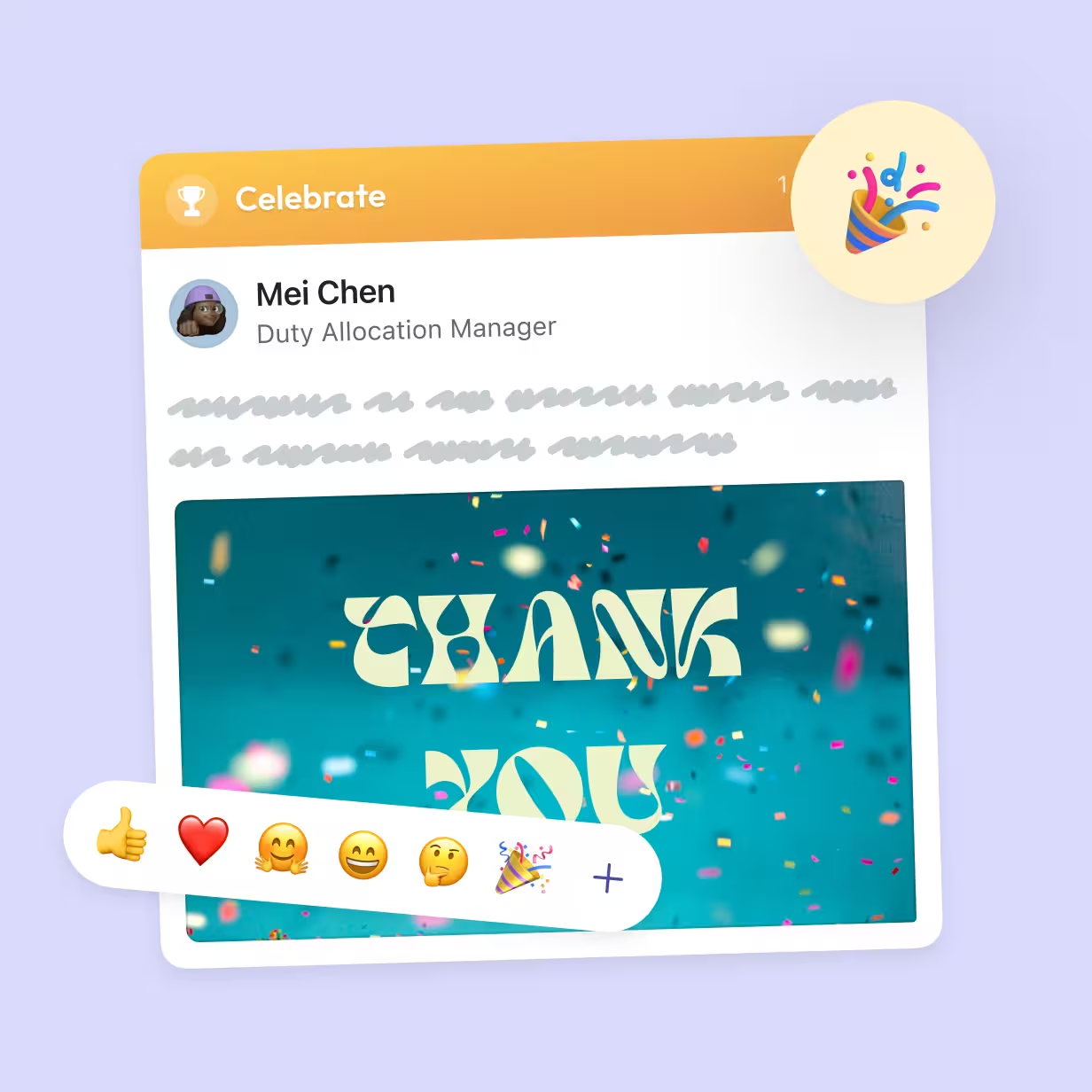
Recognition should be part of every shift, not saved for the annual review. Blink's recognition tool comes with ready-made, customizable templates for everything from a quick thank-you to a birthday wish, so managers and peers can send one in seconds. Shout-outs can be shared on the feed for the whole company to see. Recognition analytics show where it's happening and where it isn't, so you can set manager goals that keep it going.
Onboarding that starts with people, not tasks
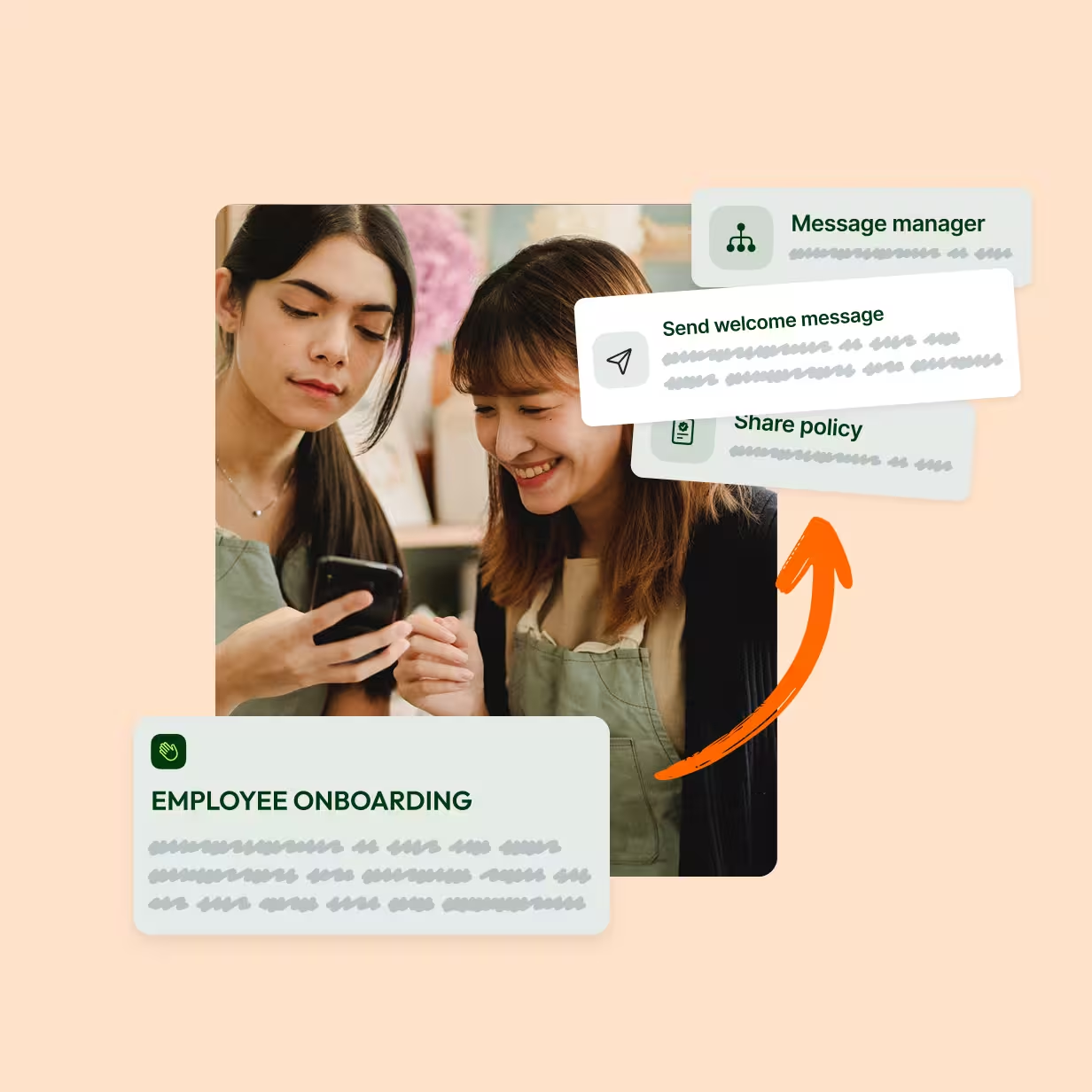
First impressions stick, and so do the people who get a good one. With pre-boarding, employee journeys can start before a new hire's first shift, so they arrive knowing who their manager is and what to expect. Journeys then guide them through their first weeks with personalized content and check-ins. Many Blink customers also set new joiners up as their own group, giving them a ready-made community from the start.
Surveys that spot who’s thinking of leaving
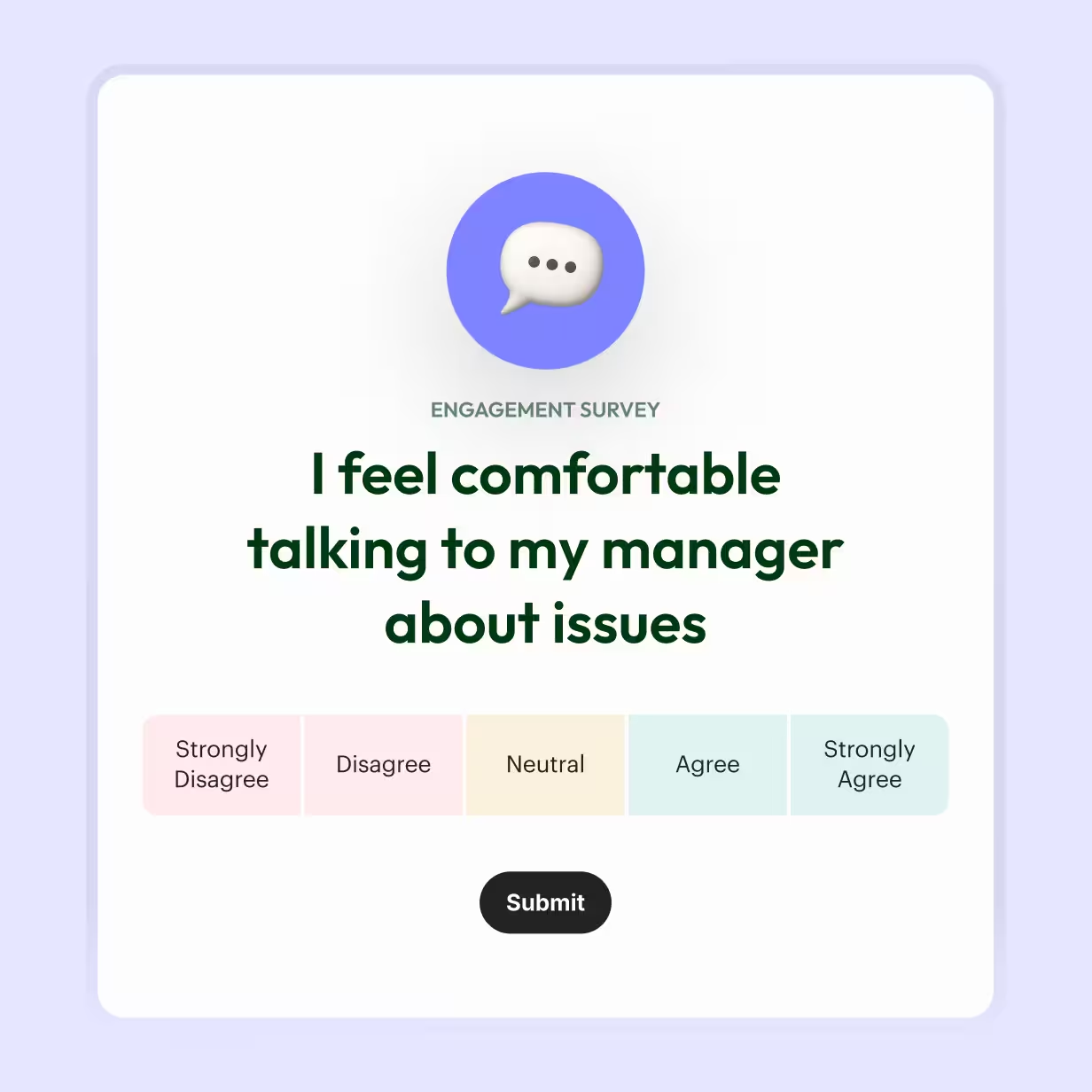
Many people decide to leave long before they give notice. Surveys in Blink let you send quick pulse surveys straight to frontline phones, turning honest feedback into retention analytics HR can act on. Spot dips in engagement by team, site, or shift, and step in while there's still time to change someone's mind.
Helping managers make every new hire feel welcome
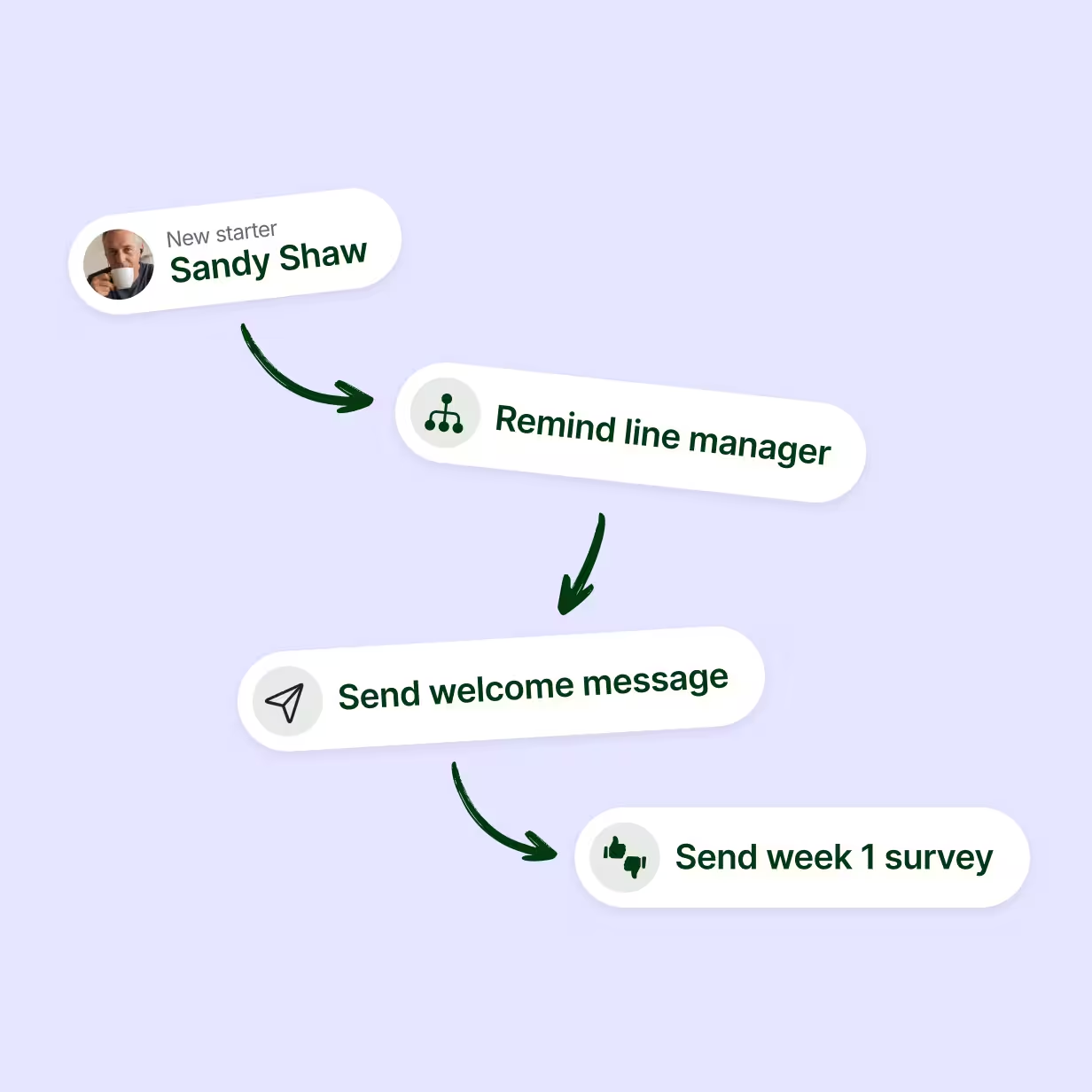
Frontline managers have a big influence on whether new hires stay. Employee journeys prompt managers at key moments, like a new starter's first shift or the end of their first week, so they can send a personal message in their own words. It takes seconds, and it shows new hires that someone has noticed them.
Communities that build belonging from day one
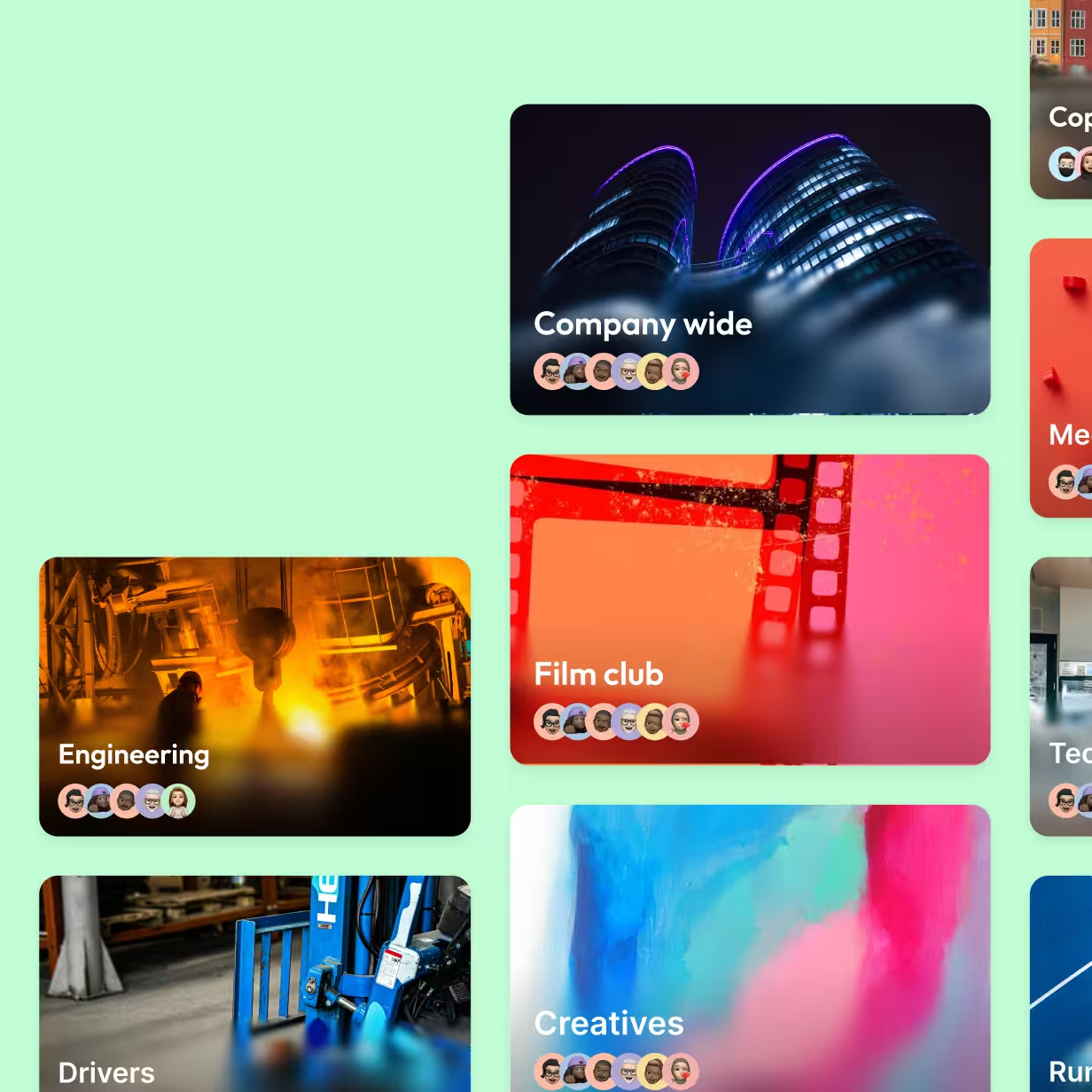
Belonging is what keeps people around. Blink Communities give new hires a place to soak up the culture, meet their peers, and get to know their manager. They can post, comment, and connect with colleagues from their first week, building ties with a team they want to stay with.
Works with your stack
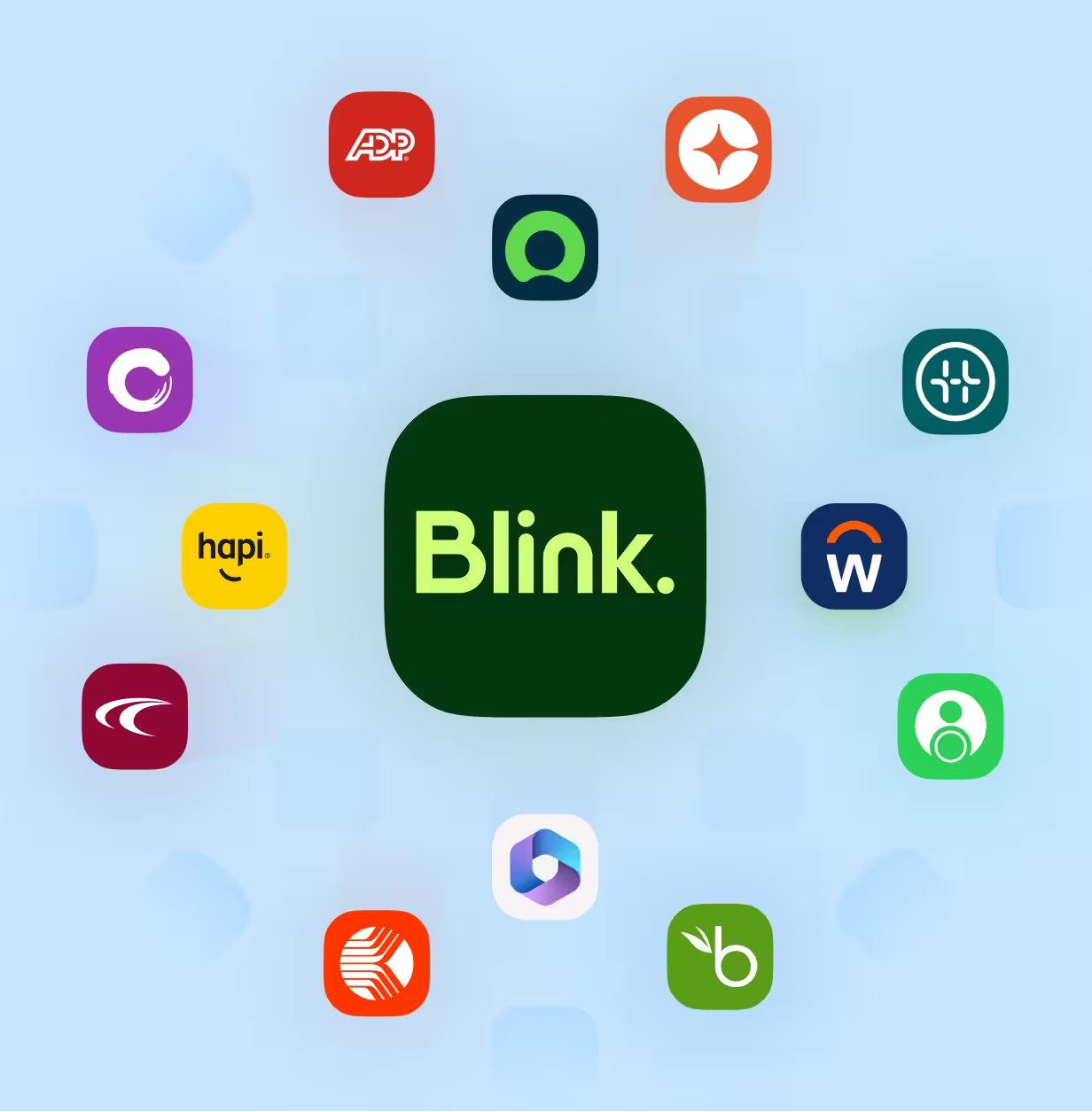
Blink fits into the HR and comms tools you already use, like Workday, Microsoft, SAP, and Dayforce, so retention data and actions don't sit in a silo. Frontline teams get one front door to policies and forms, while HR sees engagement insights alongside existing people data.
How the Blink feed works for every team

Retail
Store associates are often the last to hear about changes made at head office. Blink keeps them connected to HQ and to each other, so your retail employee retention strategies reach every shop floor.

Hospitality
Hospitality teams work across shifts and departments that rarely overlap, which makes new starters easy to overlook. Blink gives everyone from front desk to kitchen one place for onboarding, updates, and recognition.
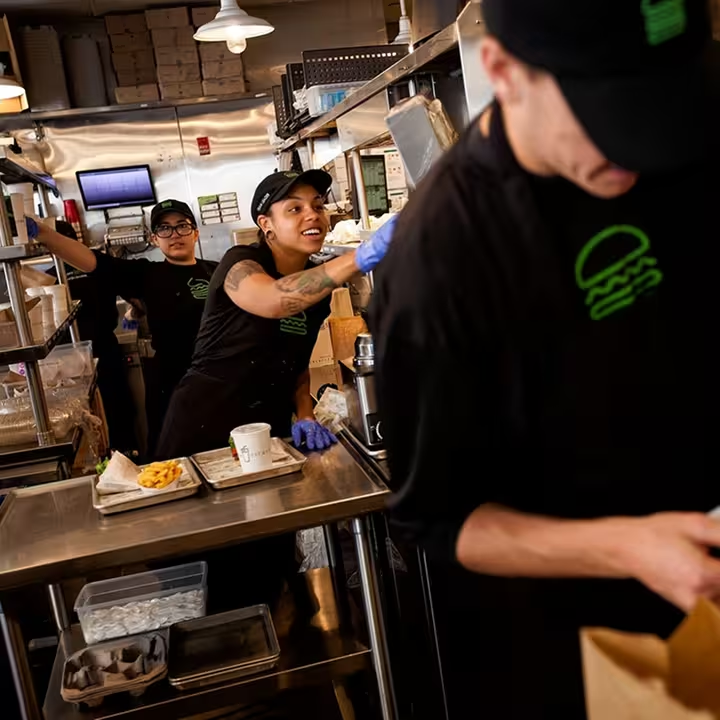
Quick Service Restaurants
New crew members can quit within a few shifts if nobody makes them feel part of the team. Blink gets them up to speed with updates and recognition in one app, so they stay well beyond their first week.

Healthcare
Care teams spread across units and shifts can easily feel cut off from leadership. Blink makes it easier to recognize and support them wherever they work, which is where strong employee retention strategies in healthcare start.

Manufacturing
Shift workers on the factory floor often miss the updates and recognition that office teams take for granted. Blink gives every shift the same access as HQ, so you can strengthen employee retention in the manufacturing industry.

Construction
Crews spread across sites rarely have a company email or a desk to check for updates. Blink reaches them on every site with updates, safety information, and recognition, so you can improve employee retention in the construction industry.
More on employee retention




Frequently asked questions
Employee retention software is a platform that helps employers keep people engaged, so they're less likely to leave. It typically combines communication, recognition, onboarding, surveys, and analytics, so HR and managers can spot disengagement early and act on it. Blink is employee retention software built for frontline and deskless teams, with everything in one mobile app.
An employee retention strategy is a company's plan for keeping people longer and reducing turnover. It covers onboarding, recognition, communication, development, and fair pay, so employees feel valued before they think about leaving, not after they resign.
Subtract the number of employees who left during a set period from your starting headcount. Divide the result by your starting headcount, then multiply by 100. Start the year with 200 people, lose 20, and your retention rate is 90%. Calculate your employee retention rate with our step-by-step guide.
The strongest retention strategies combine structured onboarding, employee recognition, two-way communication with managers, clear career paths, and regular feedback that flags issues early. For frontline and deskless teams, all of it needs to work on mobile.
Look for tools that cover communication, recognition, feedback, and onboarding. An employee app like Blink brings them together in one place, while HR system (HRIS) data and exit interviews show HR where retention is slipping. For frontline and deskless teams, every tool needs to work on the phone they already carry.
Start by finding out why people leave, then fix the causes. Exit interviews and pulse surveys highlight issues such as poor onboarding, limited recognition, or weak manager relationships. Tackle them early, especially in the first 90 days, and people have more reasons to stay.
The first 90 days are when new hires decide whether they belong. They're building connections, learning the role, and judging whether the job matches what they were promised. Learn more about healthcare's 90-day retention opportunity.